
The range
Industry by industry, the same standard of proof
Media, temperature and failure mode change from one industry to the next. How a part is cut, measured and documented does not. Some lines take most of our engineering time; the rest run the same route with a shorter conversation.
Most of these applications fail slowly and visibly. One does not, and it is where most of our engineering time goes.
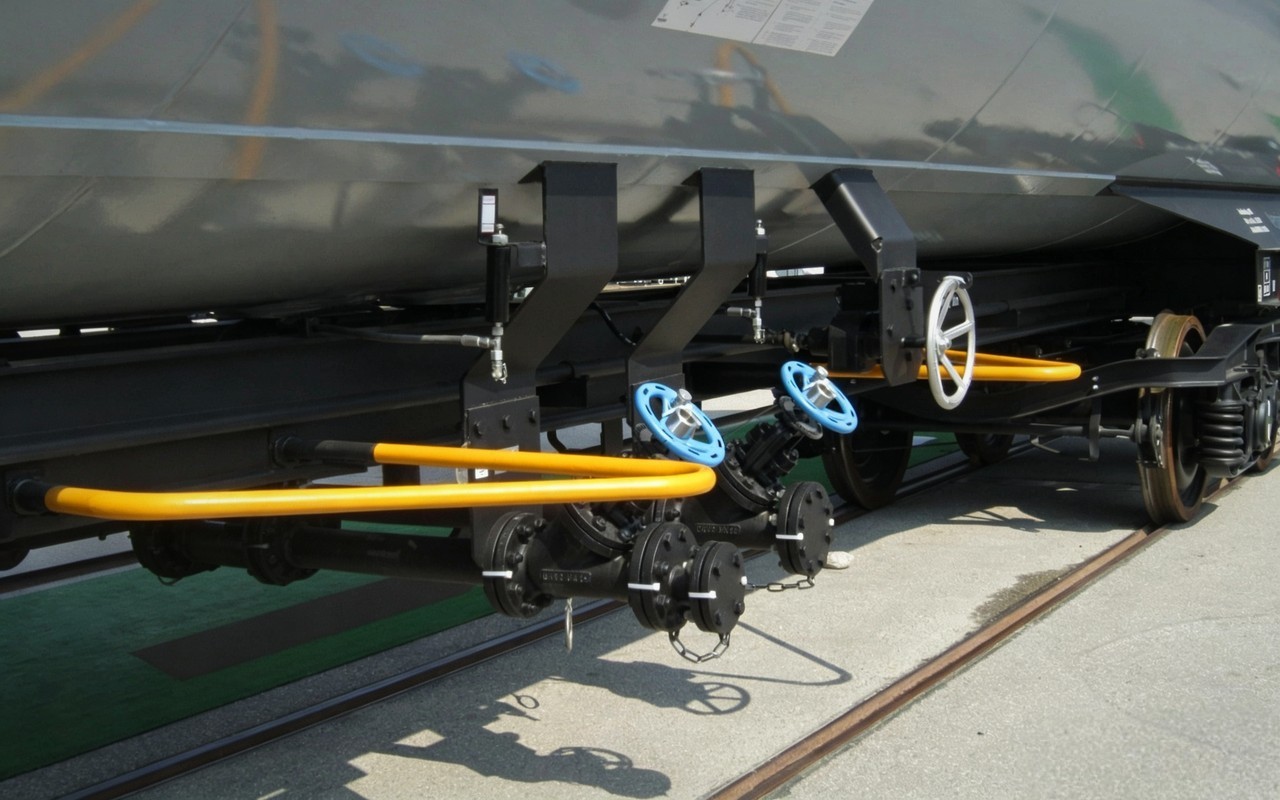
Typical wagon equipment
- Foot valves
- Bottom discharge valves
- Internal self-closing stop valves
- Air inlet and vapour return valves
- Emergency pressure relief valves
- Manhole covers
01 · Rail & transport
Rail tank wagons: dangerous chemicals, in transit
Europe moves its hazardous chemicals by rail — acids, solvents, liquefied gases — under RID, and the valves and the manlid are the only parts on the wagon opened by a person standing beside it. A leaking process valve is a maintenance ticket; a leaking wagon valve is a spill at a marshalling yard.
That is why wagon valves carry an internal self-closing stop valve with a shear section: if the external gear is torn away in a shunting impact, the valve closes and stays tight. Passages are machined without dead pockets, so the wagon drains to the last litre.
Documentation is part of the part: 3.1 certificates, each tied to the valve serial number.
Beyond the valve
A wagon is not only its valves. The manlid, the handwheel, the flanges and the small fittings around them are what a loader touches on every shift and what the weather reaches all year round. We machine those parts to the wagon builder’s drawing too.
They travel with the same paperwork as the valves: EN 10204 3.1 material certificates, dimensional reports, and traceability by heat number.
02 · Data centres
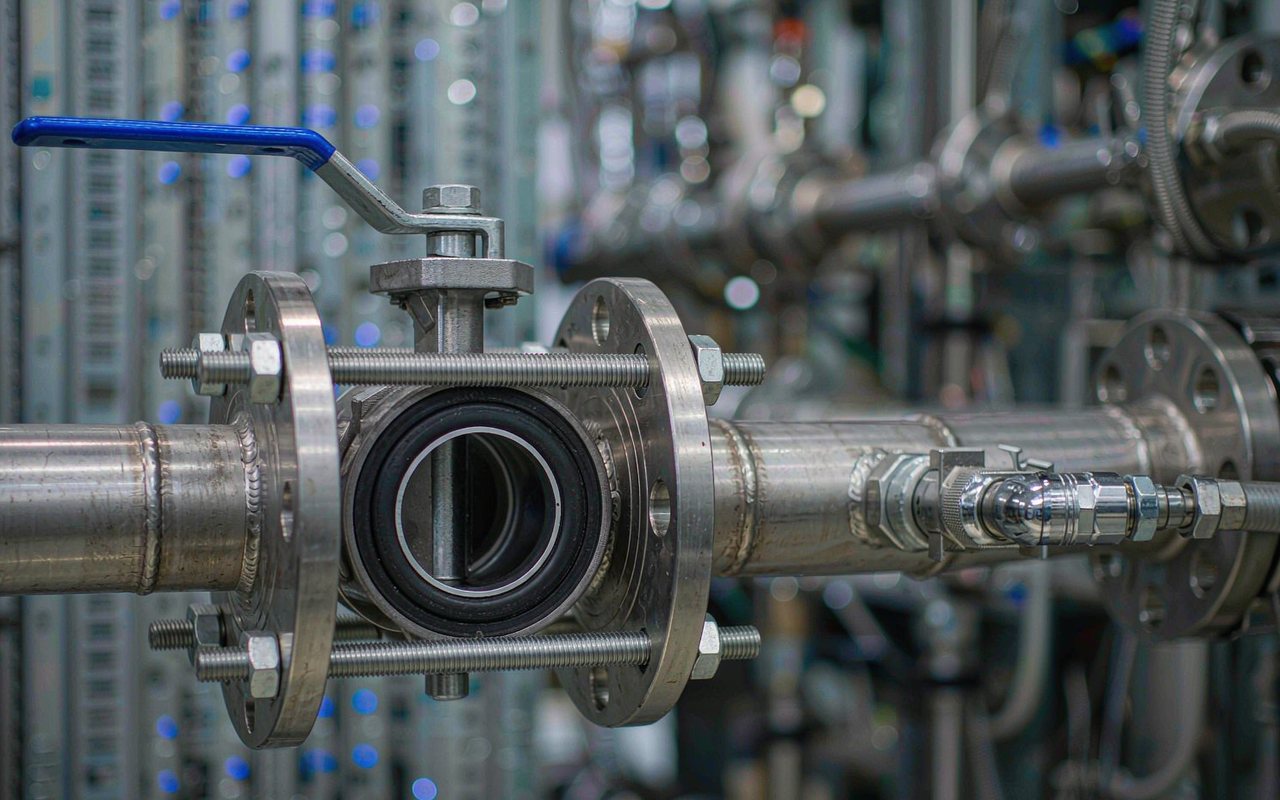
AI base cooling: where the butterfly valve does the isolating
In a liquid-cooled rack, a butterfly valve is not there to modulate flow. It is there to cut one branch out of the loop — for a cold plate swap, a leak check, a tray change — without draining the manifold, and to do it in a space the width of a rack upright.
That sets the requirements. Minimal pressure drop when open, because the pump budget is already spent on the cold plates. A soft seat that holds bubble-tight at 2 to 6 bar against glycol at 40 to 60 °C. Sealing faces are machined to Ra 0.8, seats are EPDM or PTFE by chemistry, and internals are cleaned and capped before dispatch.
Also serving: chemical and petrochemical, diesel and off-road engines, hydraulics and machine tools, robotics and UAV, power grid and energy, agriculture machinery components, etc.

Chemical & Petrochemical
Valve bodies for process lines carrying corrosive and volatile media.

Diesel & Off-road Engines
Injection housings and structural castings for high-cycle vibration.
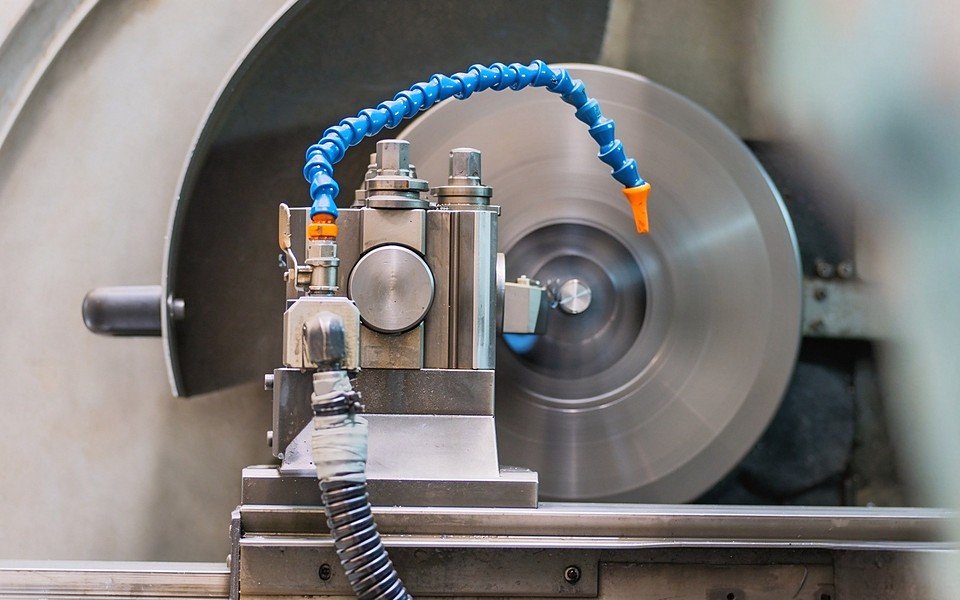
Hydraulics & Machine Tools
Manifold blocks, cartridge cavities, barrels and rods.
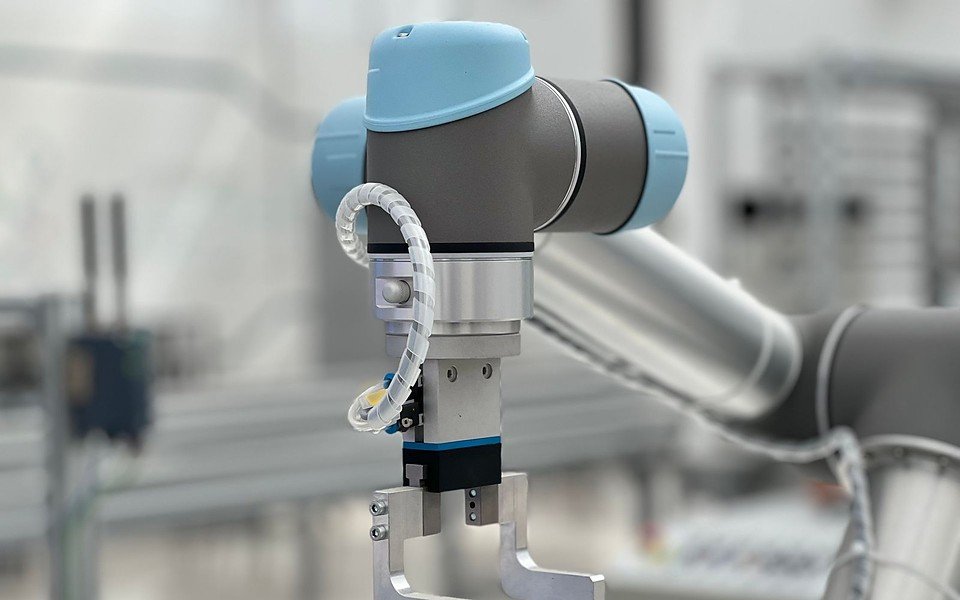
Robotics & UAV
Joint housings and frames where mass is the design constraint.
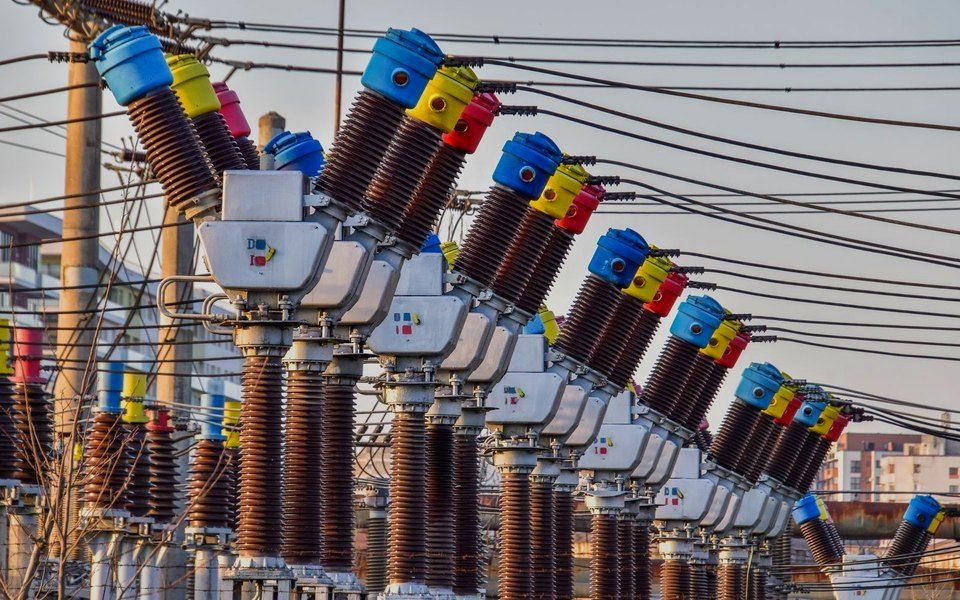
Power Grid & Energy
Switchgear, busbar and contact hardware.

Agriculture Machinery
Castings, linkages and hydraulic parts for tractors, harvesters and implements.
Contact
info@louvermachining.com- Phone · WhatsApp · WeChat+86 189 2112 6996
- HoursMon–Sat · 08:30–18:00 (GMT+8)
- ReplyQuote within 48 hours
Quote within 48 hours · MOQ 1 pc · NDA on request